Skip to content

On the water

Scalloping and fishing on the Crystal River coast

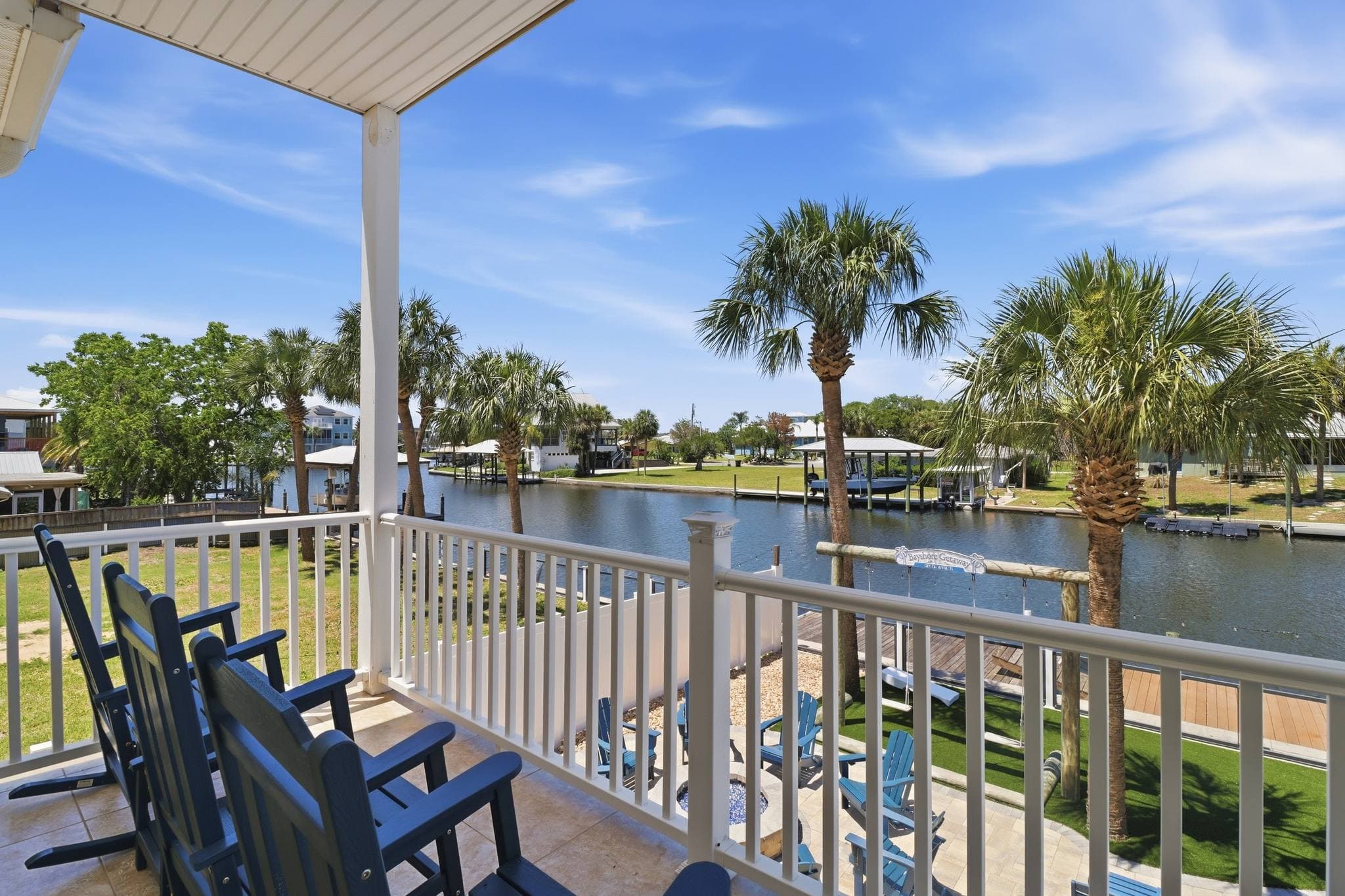
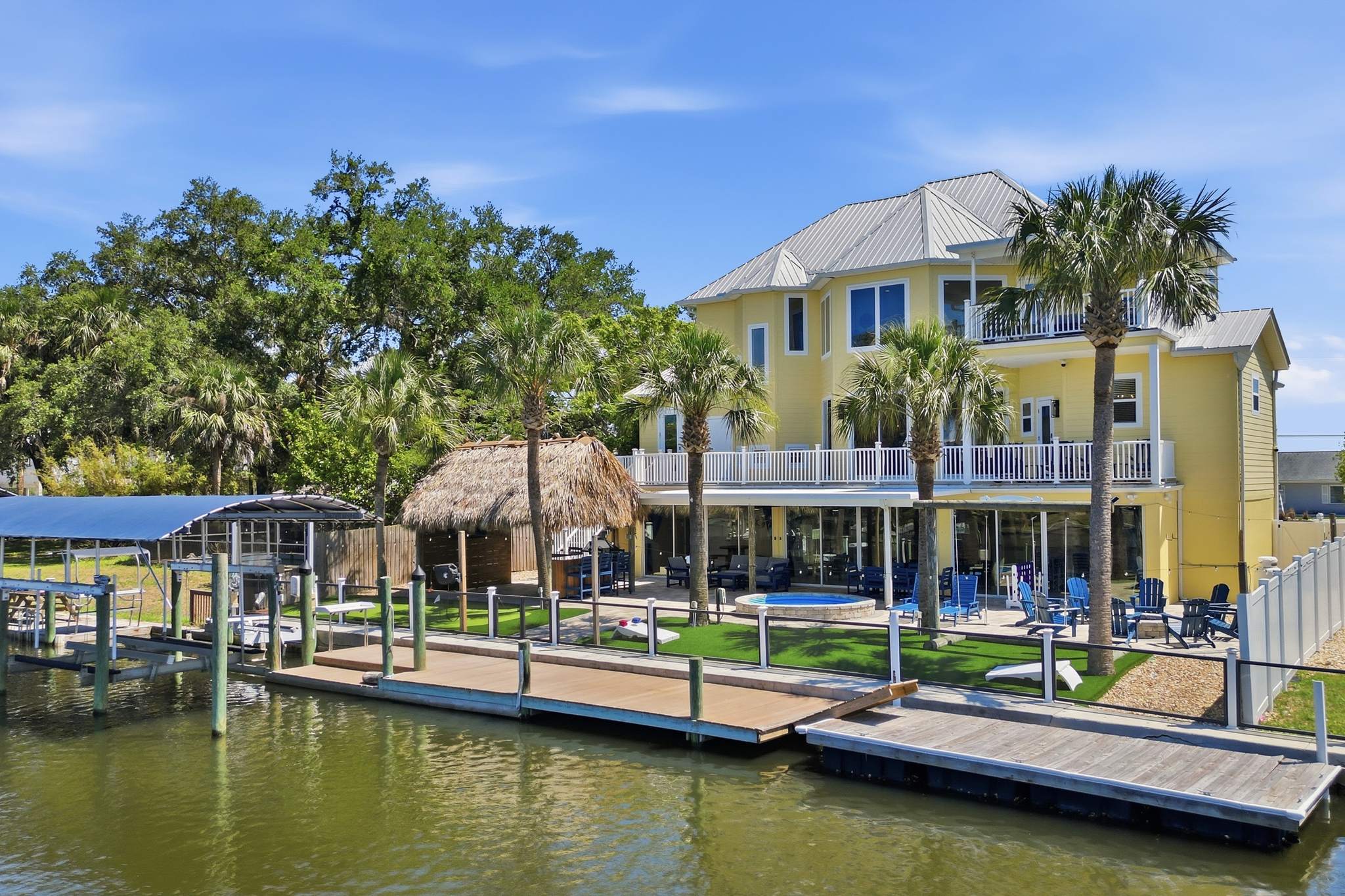
Crystal River sits on the Gulf of Mexico's Nature Coast. Scalloping season is the marquee summer event. Fishing runs year-round and changes by month. The house has a working boat lift and a jet ski lift on a private dock in a no-wake tidal canal. Bring a 27 ft-and-smaller boat or rent one five minutes away at Plantation Marina.

Scallop season

Bay scallop season in Citrus County typically runs July 1 through September 24. Dates shift a few days year to year so confirm with the FWC before booking. You snorkel in 3 to 6 feet of grass flats and pick scallops up by hand. They are visible against the sand. Most days a household catches the limit (2 gallons per person whole, 10 gallons per boat) in 2 to 3 hours.

!

License · Florida saltwater fishing license required for anyone scalloping. $17 for residents, $47 for visitors (annual). Buy online or at Walmart.

!

Gear · Mask, snorkel, mesh bag, dive flag (required), shucking knife. Tours include all of it.

!

Charters · Half-day from $400 for a family of 4 to 6. Captain handles the dive flag and the shucking station.

!

DIY · Launch your own boat from Plantation Marina or the house dock if you bring one. Find a grass flat in 4 to 5 feet of water. Calm wind days are easiest for kids.
Fishing by season

Spring (March – May): redfish on the flats, sheepshead near oyster bars, trout in the grass.

Summer (June – August): tarpon migration starts in May and peaks in July. Inshore action is steady all summer.

Fall (September – November): redfish schools push into shallow water. The best sight-fishing months of the year.

Winter (December – February): cold pushes fish into the rivers. Trout and redfish off Crystal River Preserve flats. Good days are spectacular.

Boat rentals and ramps

Plantation Marina (5 minutes from the house) rents pontoons and bow riders by the half-day and full-day. They handle gas and the channel briefing. Hunter Springs Park has a public ramp for trailered boats. For the house canal, boats 27 ft and smaller are recommended. Guests should check tide charts, draft, and both departure and return windows before using the dock or lift.

Guided scallop charter versus going on your own

If it's your first time, take a guided charter. Cost is roughly $600-$900 for a 4-6 hour half-day, splits 4-6 ways. The captain knows where the grass beds are (scallops live in turtle grass in 4-8 feet of water), supplies all the gear, cleans your catch on the boat, and bags it for the freezer at the house. Plantation Marina, Pete's Pier, and a half-dozen Homosassa-based outfitters all run charters; book 4-6 weeks ahead for July weekends.

Going on your own is doable if you bring your own boat. The launches at Pete's Pier and at Fort Island Gulf Beach are both 10-15 minutes from the house. You can run out to St. Martins Keys (the closest legal scalloping zone) in 30-40 minutes from the canal. Bring: snorkel gear, dive flag (legally required), mesh bag per snorkeler, a cooler with ice, a fishing license that covers scalloping.

Either way, scalloping is shallow snorkeling, not diving, most of the work is fanning the grass with your hand to spook the scallops into clamping shut so you can spot the bright blue eye-line.

Florida rules, limits, and licenses

Bay scallop season in Citrus County runs July 1 through September 24, though the exact dates shift a few days each year. Always check the FWC website the week of your trip.

Bag limit is 2 gallons of whole scallops per person per day OR 1 pint of cleaned meat per person, with a per-vessel max of 10 gallons whole or 1/2 gallon cleaned, regardless of crew size. No taking under 1.5 inches.

Anyone 16 or older needs a Florida saltwater fishing license to scallop or fish. Out-of-state visitors can buy a 3-day, 7-day, or annual license online at GoOutdoorsFlorida.com. Kids under 16 are free.

Snorkelers MUST stay within 100 feet of a displayed dive flag. Boaters MUST stay 300 feet from a dive flag in open water and 100 feet in a channel.

Cleaning scallops back at the house

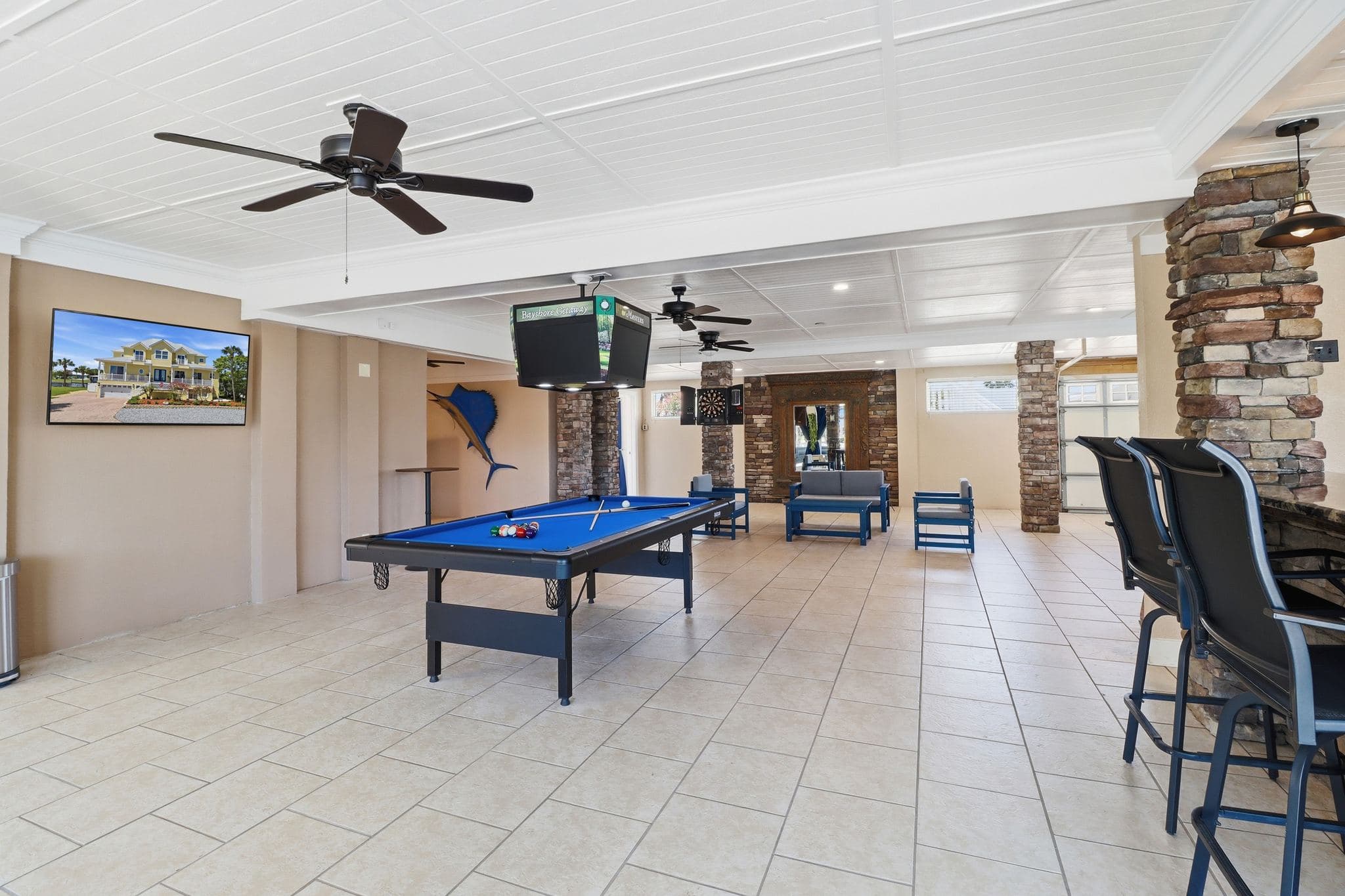
Cleaning scallops is the part most charters do for you. If you went out on your own, here's the workflow: lay the catch on ice immediately on the boat. Back at the house, the outdoor bar kitchen on the ground floor is the right cleaning station, there's a stainless prep counter, a hose to rinse, and the trash can goes right out to the curb so the shells don't sit in the house overnight.

Pry open with a butter knife, scrape the meat (the single round muscle) into a bowl of ice water, discard the rest of the body. Rinse, pat dry, freeze flat in zip bags. A gallon of whole scallops yields about a pint of cleaned meat and about an hour of work for two people.

Eat them within two days fresh, freeze for up to four months. Garlic butter and lemon over white rice is the canonical first-night-back dinner; the second night they're great in pasta. We leave a recipe card in the kitchen drawer.

Fishing year-round: what's biting when

Crystal River fishing is good every month of the year, but the species rotate. December through February: redfish, sheepshead, trout. March through May: cobia run, big tarpon start to show in Homosassa. June through August: tarpon peak (world-class, this is where the IGFA records were set), snook, mangrove snapper. September through November: redfish run, kingfish offshore, grouper season opens.

Inshore (within sight of land) needs a flats boat or kayak. Offshore (cobia, kingfish, grouper) needs a 22-foot-plus center console; book a half-day or full-day charter from Crystal River, Homosassa, or Yankeetown. Reputable inshore guides we've sent guests to: Captain William Toney, Captain Earl Waters, Captain Kyle Messier. Offshore: Captain Brendan Skarda out of Crystal River.

Boat lift, jet ski lift, no-wake canal

Bring a 27 ft-and-smaller boat and lift it for the week, or rent a pontoon at Plantation and tie up at our dock. Either way the day ends back at the dip pool.

Book direct →